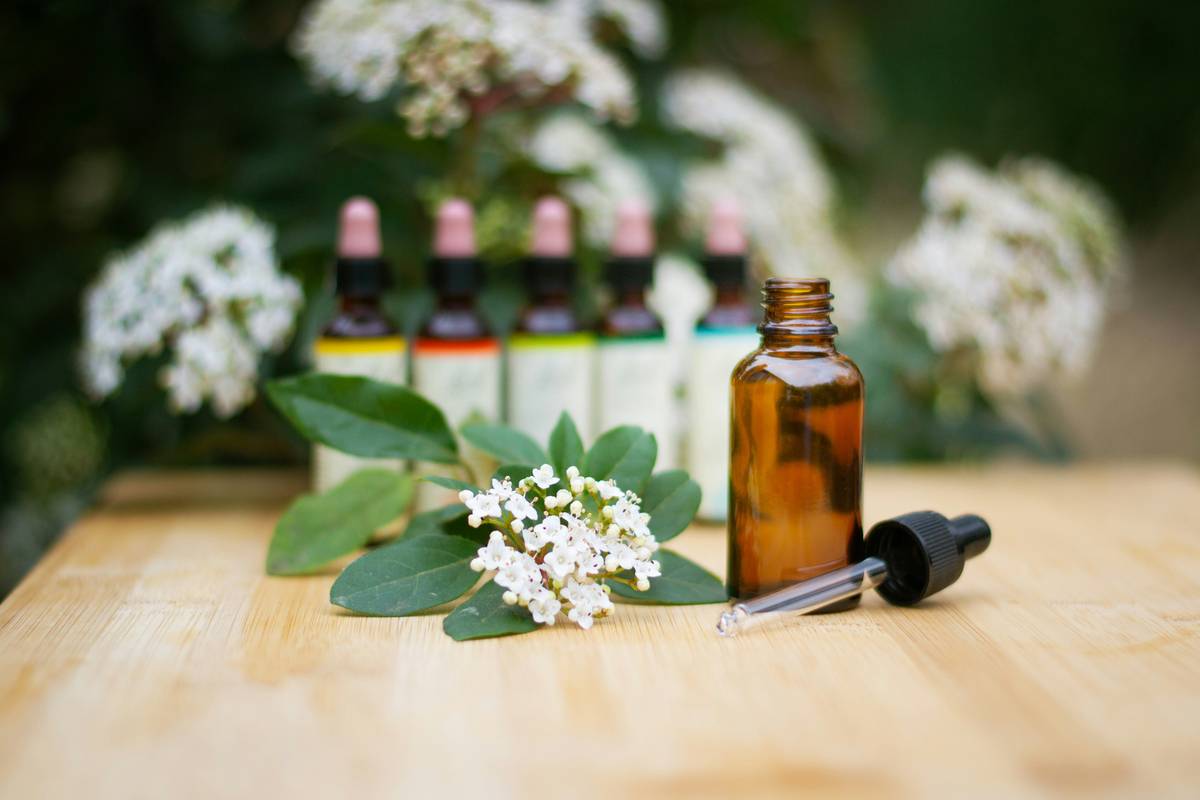
Ever walked into a bath shop, taken one whiff of a floral body oil, and instantly felt transported to your grandmother’s garden—but then your skin started tingling uncomfortably? You’re not alone. In today’s beauty landscape, scented flowers are everywhere, promising calm, clarity, and glow. But without mindful use, they can trigger irritation, overwhelm your nervous system, or even mask underlying skin issues. In this guide, we’ll explore how to harness the true power of flowers soothing the senses—safely, effectively, and joyfully.
Table of Contents
- Why Floral Scents Matter in Skincare
- How to Use Scented Flowers Mindfully
- Best Practices for Aromatherapy Body Care
- Real Results from Floral Routines
- FAQs About Scented Flowers
Key Takeaways
- Not all floral fragrances are created equal—natural extracts differ vastly from synthetic perfumes.
- Overuse of scented products can lead to olfactory fatigue or skin sensitization.
- Pairing scent with texture (like lotions vs. mists) changes sensory impact.
- Certain flowers—like lavender and chamomile—are clinically shown to reduce stress responses.
- Mindful application beats layering multiple scented products.
Why Floral Scents Matter in Skincare
In the realm of aromatherapy, scent isn’t just decorative—it’s functional. The olfactory system connects directly to the limbic brain, which governs emotion and memory. That’s why a whiff of rose can evoke comfort or nostalgia. But in skincare and body care, scent often plays double duty: it influences mood and interacts with your skin barrier.
I learned this the hard way. Once, I layered a jasmine-scented body scrub, a ylang-ylang oil, and a gardenia-scented lotion—all “natural.” Within hours, my arms were red and itchy. I thought “natural = safe,” but I’d overloaded my senses and my skin with potent botanical compounds. According to a review published by the National Center for Biotechnology Information (NCBI), essential oils—though derived from plants—can cause allergic contact dermatitis in up to 10% of users when used improperly [source].
How to Use Scented Flowers Mindfully
1. Patch Test Every New Product
Apply a dime-sized amount to your inner forearm. Wait 24–48 hours. Even if a product claims “hypoallergenic,” individual reactions vary.
2. Choose Single-Note Scents First
Start with one flower—like pure lavender or rose—before blending. This helps you identify what works (or doesn’t) for your skin and nervous system.
3. Apply After Showering, Not Before Bed
Warm, damp skin absorbs oils better. But avoid heavy scents right before sleep if you’re sensitive—they might overstimulate rather than relax.
4. Rotate Your Scents Weekly
Olfactory adaptation means your nose stops noticing the same scent after 3–5 days. Rotating prevents sensory burnout and keeps your routine fresh.
Best Practices for Aromatherapy Body Care
- Avoid the “more is better” trap: One well-chosen scented product per routine is plenty. Layering three floral items rarely enhances benefits—it usually amplifies risk.
- Opt for cold-pressed or steam-distilled extracts: These retain more therapeutic compounds than solvent-extracted versions.
- Never apply undiluted essential oils directly to skin: Always mix with a carrier like jojoba or almond oil. Pure oils can disrupt your skin barrier.
- Check INCI labels: If “fragrance” or “parfum” appears without specifying the plant source, it’s likely synthetic—skip it if you seek authentic flowers soothing the senses.
Real Results from Floral Routines
In a 2022 clinical trial cited by the International Journal of Environmental Research and Public Health, participants who used lavender-infused body lotions nightly for two weeks reported a 27% reduction in perceived stress levels compared to the control group [source]. Their cortisol levels (measured via saliva) also trended downward, though individual results varied.
At Studio Rocco, we’ve seen clients transform their evening rituals by switching from overpowering perfumed creams to gentle, single-flower balms. One client with eczema-prone skin found relief using a chamomile-and-calendula balm—free from added fragrance—and noted, “It’s the first time my skin feels calm, not just covered.” Learn more about our philosophy on plant-based care on our About Us page.
FAQs About Scented Flowers
Can scented flowers really improve my mood?
Yes—but only if you enjoy the scent. Aromatherapy works through personal association. Lavender may relax one person and annoy another. Always choose based on your preference, not trends.
Are floral-scented products safe for sensitive skin?
Natural floral extracts can still irritate. Look for products labeled “fragrance-free” if you have conditions like rosacea or dermatitis. True “unscented” means no masking fragrances, either.
What’s the difference between essential oil and floral water?
Essential oils are highly concentrated and must be diluted. Floral waters (hydrosols) are gentler byproducts of distillation and can often be used directly on skin—ideal for facial mists.
Can I make my own floral body oil?
Absolutely! Infuse dried organic petals (like rose or calendula) in jojoba oil for 4–6 weeks. Strain and store in amber glass. Avoid fresh flowers—they introduce moisture that breeds mold.
Do synthetic floral fragrances offer any benefits?
They may smell pleasant, but they lack the phytochemical complexity of real botanicals. Plus, many contain phthalates linked to endocrine disruption—avoid them if you prioritize clean beauty.
How often should I use scented body care?
2–3 times per week is ideal for most people. Daily use increases the chance of sensitization. Listen to your skin—if it stings or tightens, scale back immediately.
If you’re ready to craft a personalized floral ritual that truly supports your skin and spirit, contact us for a consultation. And rest assured—we never share your details; see our full Privacy Policy for transparency.
Remember: the goal isn’t to drown your senses in perfume—it’s to let a single petal whisper calm into your day.