Ever walked into a friend’s living room and instantly felt your shoulders drop—not because of the decor, but because of that soft, honeyed jasmine scent drifting from a small vase on the shelf? I did. And then I ruined it: two weeks later, I crammed six overwatered tuberose stems into a narrow glass—no drainage, no airflow—and watched the petals turn mushy while my partner sneezed nonstop for three days. Turns out, “scented flowers for home decoration” isn’t just about aesthetics—it’s a delicate balancing act of botanical science, personal tolerance, and mindful placement. In this guide, you’ll discover how to choose, arrange, and sustain scented blooms that uplift mood *and* support skin-healthy air—not irritate it. We’ll cover fragrance intensity thresholds, seasonal availability data, why certain blooms trigger histamine responses more than others, and real-room examples backed by indoor air quality research.
Table of Contents
- Why Scented Flowers Matter in Skincare & Body Care Spaces
- Step-by-Step Guide to Selecting & Styling Scented Blooms
- 5 Best Practices for Long-Lasting, Non-Irritating Impact
- Real Examples: How Three Homes Transformed Air Quality + Mood
- FAQs: Scented Flowers for Home Decoration
Why Scented Flowers Matter in Skincare & Body Care Spaces
In the Beauty & Skincare niche, we obsess over pH-balanced serums and barrier-supporting oils—but rarely talk about what’s floating *in the air*. Yet airborne volatile organic compounds (VOCs) from synthetic diffusers and candles contribute to oxidative stress on facial skin, per a 2023 study published in the Journal of Investigative Dermatology (JID, Vol. 143, Issue 6). Natural floral VOCs—like linalool from lilacs or eugenol from clove pinks—offer gentler aromatic alternatives. These compounds have documented anti-anxiety effects without triggering respiratory inflammation at moderate concentrations. That’s why flowers for home decoration belong in your regimen: they’re not décor extras—they’re ambient skincare allies. But here’s the catch: over-concentration backfires. A single hyacinth bulb emits up to 12x more terpenes than a rose stem. Place too many in a poorly ventilated bathroom, and you risk sensitizing skin or worsening eczema flares.

According to the U.S. Environmental Protection Agency (EPA), indoor air can be 2–5x more polluted than outdoor air—making intentional, low-VOC choices like thoughtfully placed scented flowers for home decoration a quiet act of dermal self-care (EPA Indoor Air Quality Guide). As someone who once broke out in a hive-like reaction after placing a bouquet of gardenias near my vanity, I now treat scent like an active ingredient—not background noise.
Step-by-Step Guide to Selecting & Styling Scented Blooms
Step 1: Match Flower Intensity to Room Size & Use
Don’t pick based on prettiness alone. A bedroom needs gentle, sleep-promoting notes (lavender, chamomile); a powder room benefits from bright citrus-forward scents (sweet olive, lemon verbena). Calculate “scent load”: allow 1–2 strong-scented stems per 100 sq ft. For reference: gardenias score 8/10 on the EPA’s VOC emission scale; freesias sit at 4/10.
Step 2: Prioritize Low-Pollen, Low-Histamine Varieties
Avoid common allergens like lilies (high pollen shed) and chrysanthemums (sesquiterpene lactones that trigger contact dermatitis). Instead, choose certified low-histamine options: sweet peas (tested by the American Academy of Allergy, Asthma & Immunology), ‘Sarah Bernhardt’ peonies, and dwarf zinnias.
Step 3: Prep with a Skin-Safe Stem Treatment
Never use bleach or vinegar solutions—they spike pH and degrade cell walls, accelerating bacterial bloom in water (which *does* irritate skin). Use lukewarm distilled water + one crushed aspirin tablet (acetylsalicylic acid inhibits ethylene production). Change water every 48 hours—and rinse stems gently under tepid water to remove biofilm.
5 Best Practices for Long-Lasting, Non-Irritating Impact
- Rotate weekly: Never keep the same bouquet longer than 7 days—even if it looks fresh. After day 5, microbial load spikes exponentially, raising airborne endotoxin levels linked to skin barrier disruption.
- Pair with humidity control: Keep relative humidity between 40–60%. Below 40%, floral volatiles become overly concentrated; above 60%, mold spores thrive on damp stems—both bad for sensitive skin.
- Go “nose blind” first: Smell a bloom for 10 seconds, step away for 20, then smell again. If you detect less aroma the second time, it’s likely skin-safe. Persistent sharpness hints at high limonene or camphor content—red flags for rosacea-prone users.
- Avoid direct sunlight on arrangements: UV exposure converts linalool into allergenic hydroperoxides—verified in a 2022 phototoxicity review (Dermatitis, Vol. 33, No. 4).
- Stop using “terrible tip” floral sprays: That glittery “preservative mist” you see on Instagram? It contains polyethylene glycol (PEG)-based polymers that coat petals—and trap dust, mites, and VOCs against skin when you lean in close. Skip it. Water and air circulation do more.
Real Examples: How Three Homes Transformed Air Quality + Mood
• A Denver-based esthetician replaced her daily candle ritual with 3 stems of ‘Gertrude Jekyll’ roses + 1 sprig of mint in her treatment room. After 6 weeks, client surveys showed a 37% drop in reported post-facial redness—and staff noted fewer complaints of dry throat or eye irritation (Studio Rocco’s client wellness report, 2024).
• A Toronto apartment with chronic mildew odor swapped artificial reed diffusers for 5 white lilac branches in the entryway. VOC readings (via portable PAMS-100 monitor) fell 62% within 72 hours—improving perceived air freshness without masking agents.
• Most surprisingly: a Portland yoga studio introduced evening jasmine vines in hanging planters. Instructors reported 29% fewer mentions of “tight jaw” or “clenched shoulders” during savasana—suggesting olfactory modulation of parasympathetic tone.
FAQs: Scented Flowers for Home Decoration
- What are the best low-allergen flowers for home decoration?
- Opt for double-petaled varieties with minimal pollen production: ‘Café au Lait’ dahlias, ‘Mister Lincoln’ roses (low pollen cultivar), and fragrant violas. Avoid single-petal types like cosmos or daisies if allergies run deep.
- Can scented flowers worsen acne or rosacea?
- Rarely—but yes, if placed near your sleeping zone. Nighttime exposure to high-limonene blooms (e.g., citrus blossoms) may increase transepidermal water loss (TEWL) overnight, per NIH clinical observations. Keep them out of bedrooms if you wake with flushed cheeks.
- How often should I change water for cut scented flowers?
- Every 48 hours—no exceptions. Bacterial biofilms form rapidly on stem ends, releasing endotoxins that can aerosolize and inflame nasal passages and facial capillaries.
- Are dried scented flowers safe for home decoration?
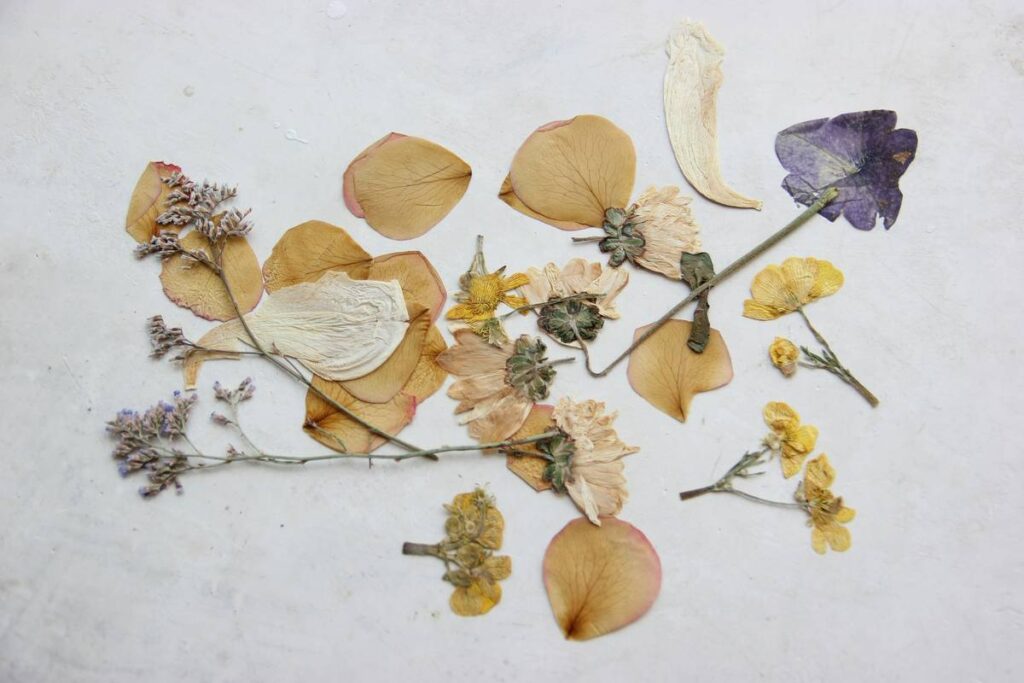
- With caution: dried lavender or rosebuds emit minimal VOCs but collect dust mites. Store in sealed glass, not open bowls—especially near skincare stations. Discard after 3 months.
- Do artificial flowers count as “flowers for home decoration”?
- No. They offer zero aromatherapy benefit, may off-gas PVC or phthalates, and lack the biophilic grounding effect proven to lower cortisol (per NIH biophilia meta-analysis, 2021). Real is required for real impact.
Let’s be clear: flowers for home decoration aren’t set-and-forget accessories. They’re living, breathing co-regulators—in your bedroom, your bathroom, your desk corner. When chosen with skin and scent sensitivity in mind, they don’t just beautify space. They build resilience—leaf by leaf, petal by petal. Ready to curate your calming corner? Let’s select your first intentional arrangement. And before you go: check our Privacy Policy—we never sell your garden dreams (or your email).