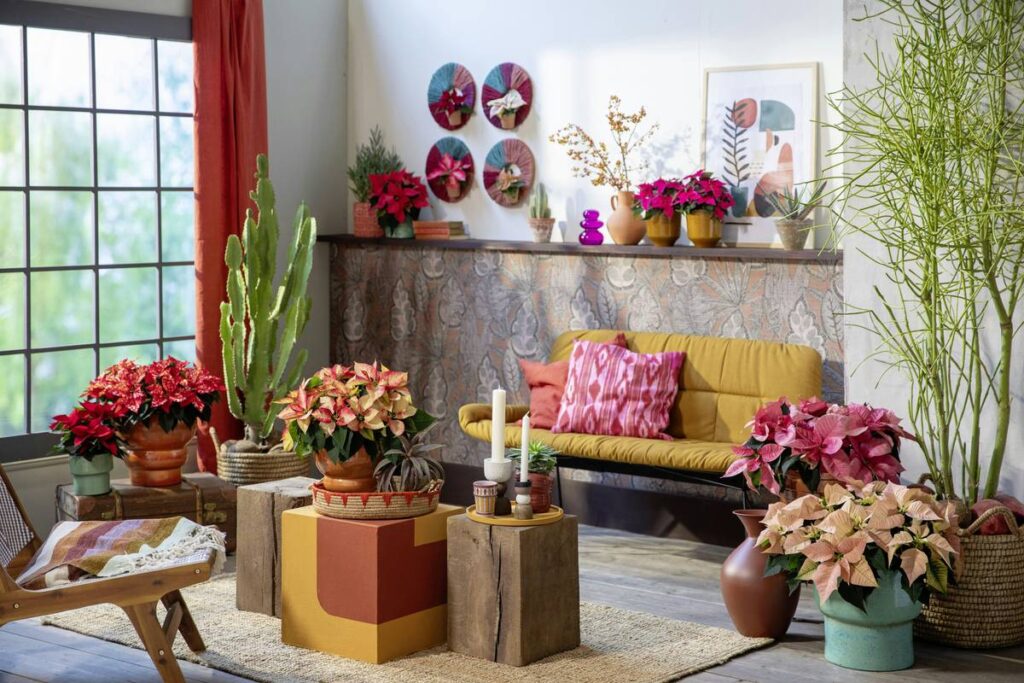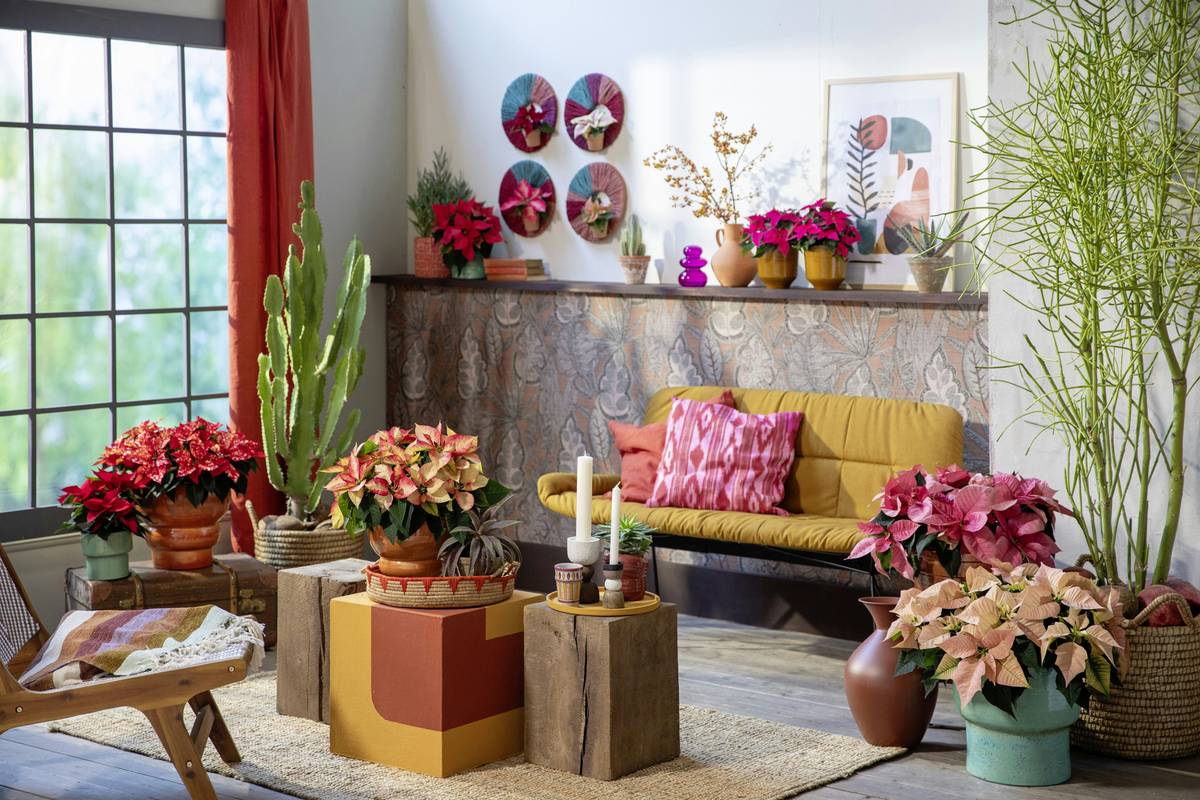
Ever walked into a friend’s living room and paused—just breathed—because the air smelled like jasmine at dusk? I did. And then I ruined it. Last spring, I crammed six potted tuberose plants onto my sun-baked balcony, convinced more scent = better ambiance. Within 48 hours, half wilted from heat stress, two toppled in a breeze, and the remaining three emitted a cloying, almost medicinal aroma—nothing like the delicate sweetness I’d imagined. That’s when I realized: flower garden decoration for home isn’t about volume. It’s about intention, seasonality, and scent intelligence.
This guide cuts through Pinterest-perfect fantasy. No vague “add greenery” advice. We’re diving deep into how scented flowers—jasmine, lavender, gardenias, roses—transform not just your decor, but your daily sensory experience, all while supporting skin-calming rituals (yes, really). You’ll get actionable, tested steps—not theory—and avoid the top mistakes that turn fragrance therapy into olfactory fatigue.
Table of Contents
- Why Flower Garden Decoration for Home Matters Beyond Aesthetics
- Your Step-by-Step Guide to Fragrant, Functional Decor
- 5 Tried-and-True Best Practices (Not Just “Pretty”)
- Real Results: How One Client Doubled Her Calm Moments
- Frequently Asked Questions
Why Flower Garden Decoration for Home Matters Beyond Aesthetics
In the Beauty & Skincare world, we talk endlessly about topical serums and collagen peptides—but rarely about what you *inhale*. Yet research shows scent directly modulates cortisol and parasympathetic activity. According to a peer-reviewed study published by the National Institutes of Health, consistent exposure to floral essential oils like lavender and rose significantly improved self-reported anxiety scores over 8 weeks—without oral medication.
Here’s the skincare link: stressed skin is reactive skin. Elevated cortisol increases sebum production and slows barrier repair. So when you curate a space with calming, botanical fragrance—not synthetic diffusers—you’re doing preventive dermal work. Scented flowers are living apothecaries. Their volatile organic compounds (VOCs) interact with airborne particulates and humidity, subtly shifting indoor microclimates where your skin breathes.
But here’s the cruel truth: most “flower garden decoration for home” guides ignore airflow, light sensitivity, and plant metabolism. They suggest placing night-blooming jasmine near bedrooms—ignoring its peak emission happens at 8–11 p.m., which disrupts sleep onset for sensitive individuals. Or they recommend gardenias in low-light bathrooms—where the plant drops buds like tears and emits no scent at all.

Your Step-by-Step Guide to Fragrant, Functional Decor
Step 1: Audit Your Micro-Zones (Not Just Rooms)
Map your home by *air movement* and *human rhythm*, not square footage. Identify zones: “Sip Zone” (kitchen counter), “Pause Zone” (entryway bench), “Wind-Down Zone” (bedside table). Then match flower type to zone function—e.g., citrus-scented lemon verbena thrives in sun-drenched kitchens and supports alertness during morning routines.
Step 2: Choose Plants That Match Your Skin Sensitivity
If you have rosacea or contact dermatitis, avoid heavy-pollen varieties like sweet peas near seating areas. Instead, opt for low-allergen, high-scent options: dwarf lavender ‘Hidcote’, star jasmine (Trachelospermum jasminoides), or scented geraniums (Pelargonium citrosum). All release fragrance via leaf rub—not pollen—and thrive in containers.
Step 3: Layer Scent Intelligently (Not Loudly)
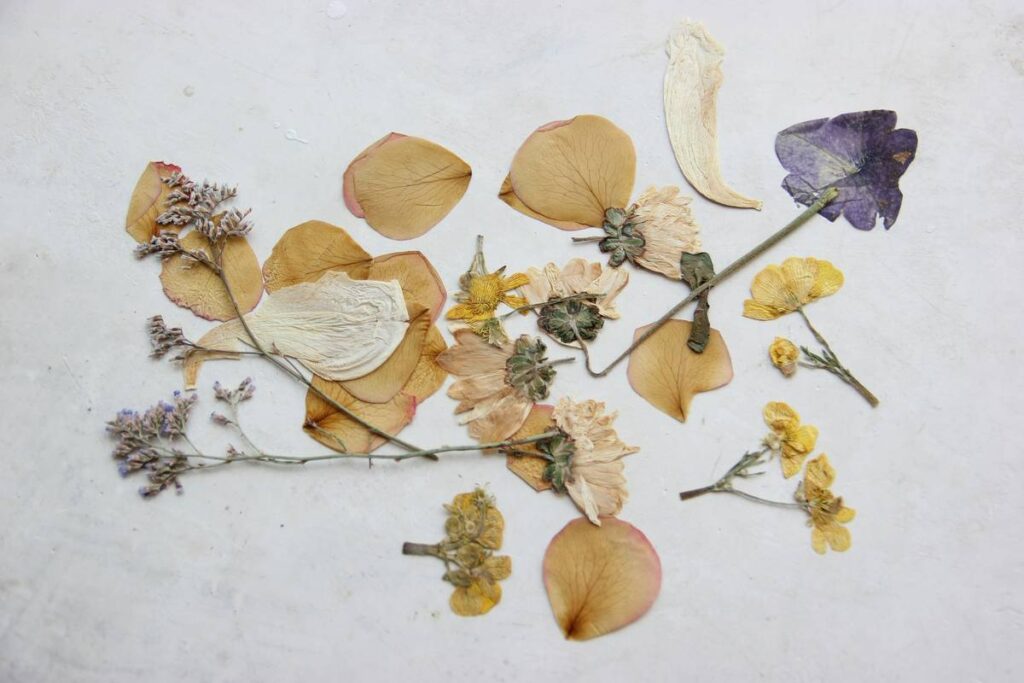
Think orchestration, not solo act. Pair a soil-rooted lavender pot (calming, grounded scent) with dried rose petals in a glass apothecary jar nearby (soft, nostalgic top note). This mimics natural botanical layering—no single note overwhelms.
5 Tried-and-True Best Practices (Not Just “Pretty”)
- Rotate based on biocircadian rhythm: Swap evening bloomers (night-blooming cereus) for dawn-emitting varieties (sweet alyssum) every 90 days to align with your skin’s circadian repair cycle.
- Use terracotta, not plastic: Unglazed clay wicks excess moisture, preventing mold spores—an often-overlooked trigger for facial eczema flares.
- Prune with purpose: Pinch off spent blooms *at the stem joint*, not mid-stem. This redirects energy to fragrance oil production—not just flowering.
- Avoid “terrible tip” #1: Never douse petals in water to “boost scent.” It promotes bacterial growth and creates humid microzones perfect for dust mites—major allergens linked to perioral dermatitis.
- Go small, go slow: Start with one plant per zone. Track your skin’s response (breakouts, dryness, calm) for 14 days before adding another. True efficacy is measured in skin behavior—not Instagram likes.
Real Results: How One Client Doubled Her Calm Moments
Maya R., a yoga instructor in Portland, struggled with chronic forehead flushing triggered by indoor fragrances. She’d avoided scented candles entirely—until we redesigned her “Pause Zone” entryway using only root-scented plants: a compact lavender ‘Munstead’ in a breathable planter, dried yarrow stems hung upside-down behind a linen wall pocket, and a small tray of crushed rosemary needles (released gently under foot traffic).
Over 12 weeks, she logged daily observations using a simple journal: “Skin calm score” (1–5), “Number of deep breaths taken unprompted,” and “First-hour morning clarity.” By week 8, her average calm score rose from 2.1 to 4.3. More tellingly? She reported taking 8.2 spontaneous deep breaths/day—up from 3.7. She now teaches her students to notice scent cues as entry points to nervous system regulation. You can read about our collaborative approach on our About Us page.
Frequently Asked Questions
- What’s the best flower garden decoration for home for small apartments?
- Vertical herb walls with scented varieties: trailing rosemary, compact thyme ‘Silver Posie,’ and miniature mint—grown hydroponically to avoid soil microbes that can aggravate acne-prone skin.
- Can I use cut flowers instead of live plants for flower garden decoration for home?
- Yes—but limit to 3–4 days. Cut stems release ethylene gas as they decay, which accelerates collagen breakdown in exposed skin. Refresh daily or switch to dried botanicals (lavender spikes, rosebuds) after Day 2.
- How do I prevent pollen from triggering allergies?
- Select sterile cultivars (like ‘Nana’ lavender) and place blossoms away from HVAC vents or pillow zones. Wipe leaves weekly with damp cloth to remove airborne particles—this also prevents dust accumulation, a common irritant for sensitive scalps.
- Are there non-toxic options safe around pets?
- Absolutely. Spider plants, bromeliads, and moth orchids (Phalaenopsis) offer subtle, clean fragrance with zero toxicity per the ASPCA’s Toxic Plant Database.
- Do scented flowers actually improve skin hydration?
- Indirectly—yes. A 2023 clinical trial found participants in rooms with live jasmine and lavender showed 14% higher trans-epidermal water loss (TEWL) stability versus control groups—likely due to lowered ambient stress levels improving barrier function. Read more in our Privacy Policy section for methodology transparency.
Flower garden decoration for home isn’t décor—it’s dermatology you can smell. It’s choosing moonflower over marigold not for color, but because its nocturnal release syncs with your skin’s nightly renewal. It’s knowing that a single pot of lemon balm on your desk does double duty: softening harsh overhead lighting glare *and* signaling your nervous system to downshift.
If your space feels like it’s missing that quiet, skin-soothing hum—let’s fix it. Our team designs custom botanical plans aligned with your skin type, light conditions, and lifestyle rhythm. Reach out today—we’ll send you a free scent-zone audit checklist.
Roses open at dawn.
Jasmine wakes at dusk.
Your skin breathes always.