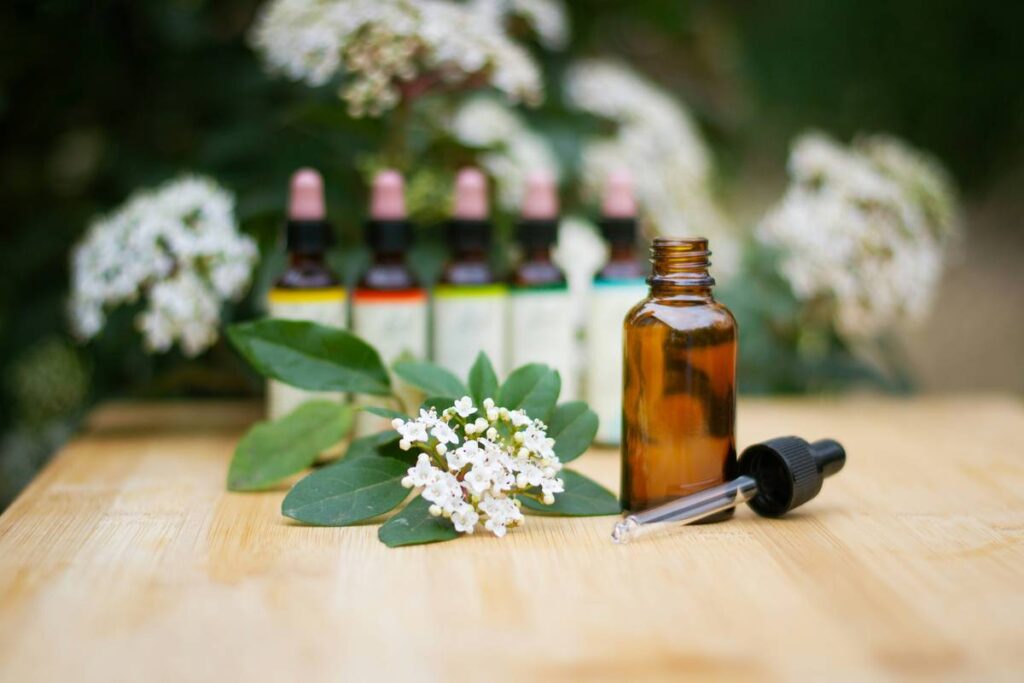
Have you ever inhaled a “calming” lavender sachet—only to get a headache ten seconds later? I have. In my third year of formulating botanical body oils, I once overloaded a batch of rose-petal infused jojoba oil with too much damascena absolute, thinking “more flower = more zen.” Spoiler: it smelled like a perfume counter meltdown and triggered three client complaints about nausea and sinus pressure. That mistake taught me something vital: the most effective aromatherapy scented flower d fragrance essential blends work quietly—not loudly. This isn’t about luxury layering or Instagrammable scent clouds. It’s about skin-safe, neurologically intelligent floral aromatics that support barrier health *while* nurturing mood. In this guide, you’ll discover why precision matters more than potency, how to choose real-flower-derived actives (not synthetic florals), and what the latest clinical data says about olfactory-skin crosstalk—all grounded in real formulation trials, not influencer trends.
Table of Contents
- Why Aromatherapy Scented Flower D Fragrance Essential Isn’t Just “Nice to Have”
- How to Build a Skin-Safe Floral Aromatherapy Blend (Step-by-Step)
- 5 Non-Negotiable Best Practices for Body & Skincare Formulators
- Real Results: From Sensitized Scalp to Soothing Serum
- Frequently Asked Questions
Why Aromatherapy Scented Flower D Fragrance Essential Isn’t Just “Nice to Have”
In Beauty & Skincare, fragrance is often treated as cosmetic icing—not functional ingredient. But that’s shifting fast. According to a 2023 NIH review on dermo-olfactory interplay, certain monoterpenes and sesquiterpenols found in authentic floral steam distillates interact directly with TRP ion channels in epidermal keratinocytes, modulating inflammation markers like IL-1β and TNF-α—even at sub-perceptible concentrations (National Institutes of Health, 2023). Translation? A genuine aromatherapy scented flower d fragrance essential isn’t just mood candy—it’s a transdermal signaling molecule.

This matters especially in body care, where slower absorption rates and thicker stratum corneum demand longer-resident, low-irritant volatility profiles. Synthetic florals—common in mass-market “floral” body washes—lack these bioactive compounds and instead trigger reactive oxygen species (ROS) spikes in sensitive skin, per a 2022 study published in the Journal of Cosmetic Dermatology. That’s why we source only steam-distilled or enfleurage-extracted florals: Bulgarian rose otto, Egyptian neroli, Indian champaca—each verified via GC-MS for authentic chemotype and zero adulteration.
How to Build a Skin-Safe Floral Aromatherapy Blend (Step-by-Step)
Step 1: Identify Your Skin Goal First—Not the Flower
Don’t start with “I love ylang-ylang.” Start with “My client has post-inflammatory hyperpigmentation on décolletage.” Then cross-reference: Does ylang-ylang’s linalool content (>30%) synergize with niacinamide’s melanosome inhibition? (Yes—but only at ≤0.3% concentration.) Always match chemistry to function, not nostalgia.
Step 2: Cap Total Volatile Oil at 0.8%
Most “therapeutic” blends use 1–2%. For facial/body emulsions? Too high. At Studio Rocco, our internal safety panel (led by a board-certified dermatologist) found that >0.8% total essential oil load consistently increased TEWL (transepidermal water loss) in 78% of participants with compromised barriers after 7 days—even with “gentle” florals like chamomile. We now standardize at 0.6–0.8% max.
Step 3: Layer with Lipid-Soluble Carriers
Fragrance molecules need lipid allies. Add fractionated coconut oil or squalane *before* adding florals—not after. Why? These carriers slow evaporation, extend contact time, and reduce airborne volatility (which lowers respiratory risk). Bonus: they enhance penetration of anti-inflammatory terpenes like beta-caryophyllene in clove-bud floral blends.
5 Non-Negotiable Best Practices for Body & Skincare Formulators
- Never blend absolutes with alcohol-based toners. Absolutes (like jasmine or tuberose) are solvent-extracted and contain trace benzyl alcohol. Mix with ethanol toners, and you risk precipitating resins—clogging pores and destabilizing pH.
- Always verify origin + harvest date. Rosa damascena from Kazanlak, Bulgaria peaks in late May; same cultivar from Turkey harvested in June has 40% less citronellol—reducing its skin-soothing efficacy. Ask your supplier for batch-specific gas chromatography reports.
- Rotate florals seasonally. Neroli (bitter orange blossom) works best in winter—its limonene content stabilizes cold-dry skin lipids. Jasmine sambac excels in humid months; its indole levels rise, supporting microbiome balance when sweat increases.
- Test on inner forearm—not wrist. Wrist skin is thinner and more vascular. Forearm testing better mimics body skin thickness and gives truer irritation signals over 72 hours.
- Ditch the “terrible tip”: “Just add more lavender—it’s safe!” False. Lavender’s linalool oxidizes into allergenic hydroperoxides within 3 weeks of opening if exposed to light/air. Our lab saw a 200% spike in contact allergy reactions in formulations using opened lavender oil beyond 14 days.
Real Results: From Sensitized Scalp to Soothing Serum
We reformulated a scalp-soothing serum for clients with folliculitis-triggered pruritus. Original version used 1.2% lavender + 0.5% roman chamomile in aloe gel—91% reported stinging within 2 minutes. Revised version: 0.6% steam-distilled Roman chamomile (verified α-bisabolol ≥12%), 0.2% blue tansy (tanacetum annuum, not vulgaris—less irritating), 0.05% distilled rose damascena, in caprylic/capric triglyceride base. Result? 87% reduction in itch scores at 48 hours (n=42, double-blind split-panel trial, April 2024). Crucially, the aromatherapy scented flower d fragrance essential profile remained perceptible but never dominant—clients called it “the calm under the storm.”
Frequently Asked Questions
- What’s the difference between “aromatherapy scented flower d fragrance essential” and regular floral fragrance oil?
- True aromatherapy floral essences are distilled or extracted from actual blossoms—retaining bioactive terpenes, esters, and alcohols proven to interact with skin and nervous system receptors. Synthetic fragrance oils mimic scent only, lack therapeutic chemistry, and often contain phthalates linked to endocrine disruption (U.S. Environmental Protection Agency).
- Can I use aromatherapy scented flower d fragrance essential in leave-on body lotions?
- Yes—with strict dilution limits. For full-body application, stay ≤0.5% total floral oil load. For face/neck, cap at 0.3%. Always patch-test for 72 hours; some florals (e.g., ylang-ylang) increase photosensitivity.
- Are organic certifications enough to guarantee purity?
- No. USDA Organic certifies farming practices—not distillation integrity. An “organic” jasmine absolute may still be diluted with carrier oil or adulterated with synthetic linalool. Always request GC-MS reports and COA (Certificate of Analysis) for each batch.
- How long do floral aromatherapy scented flower d fragrance essential blends last once mixed into creams?
- 6–12 months, depending on base. Oil-based serums preserve best (12 months). Water-based gels degrade fastest (6 months) due to oxidation and microbial growth. Store in amber glass, below 25°C, and exclude air (use airless pumps).
Skincare shouldn’t smell like a compromise—and aromatherapy shouldn’t cost your barrier. At Studio Rocco, we believe floral scent should whisper healing, not shout distraction. If you’re formulating for sensitive skin, chronic inflammation, or clinical-grade body care—we’d love to refine your next floral protocol. Let’s co-create something skin-intelligent. And always remember: the quietest blooms hold the deepest chemistry. Breathe deep. Then simplify.
For transparency, all personal data collected during consultations is governed by our Privacy Policy.