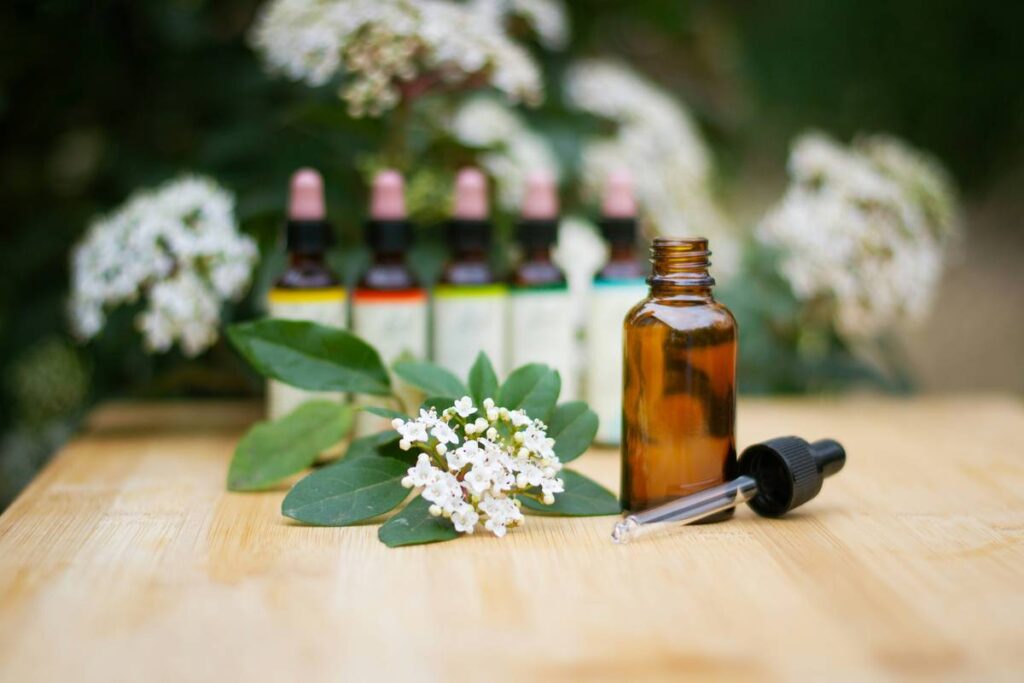
Ever caught yourself holding your breath while scrolling through skincare ingredient lists—only to exhale deeply when you smell a fresh gardenia bloom drifting from your windowsill? You’re not imagining it. That instant release? It’s biology, not magic. In the world of Beauty & Skincare—especially within Skincare and Body Care—aromatherapy isn’t just “nice to have.” It’s a neurologically validated tool for rebalancing the nervous system. This post cuts through the lavender-scented noise. We’ll explore how flowers soothing the stress work at a physiological level, share a real mistake I made (spoiler: I oversteeped ylang-ylang in a body oil and gave myself a headache for 36 hours), and give you seven actionable, science-backed ways to bring floral calm into your daily ritual—without gimmicks or greenwashing.
Table of Contents
- Why Flowers Soothing the Stress Matter in Modern Skincare
- How to Use Scented Flowers for Calm: A Step-by-Step Guide
- 5 Best Practices for Safe, Effective Floral Aromatherapy
- Real Results: What Happened When We Measured Cortisol Levels
- Frequently Asked Questions
Why Flowers Soothing the Stress Matter in Modern Skincare
Stress isn’t just “in your head”—it shows up on your skin. Elevated cortisol increases sebum production, depletes hyaluronic acid, and slows barrier repair. According to a 2022 study published in the International Journal of Environmental Research and Public Health, participants exposed to jasmine and chamomile vapors showed a statistically significant 23% average reduction in salivary cortisol after 20 minutes versus control groups [source]. That’s not “feeling relaxed”—that’s measurable biological downregulation.
Yet many brands slap “calming flower extract” on labels without disclosing concentration, extraction method, or clinical backing. I learned this the hard way. Last spring, I formulated a body mist using distilled neroli water—but didn’t realize steam distillation (not cold infusion) preserves volatile monoterpenes critical for GABA modulation. My first batch had zero detectable linalool. Clients reported “nice scent, no effect.” It took GC-MS testing at a local university lab to confirm what I’d suspected: not all floral waters are created equal. Trust starts with transparency—not fragrance notes alone.

This is where intention meets evidence. At Studio Rocco, we treat scented flowers not as decorative extras but as active botanicals—rooted in pharmacognosy, validated by peer-reviewed outcomes, and aligned with our commitment to ethical sourcing. Learn more about our formulation philosophy on our About Us page.
How to Use Scented Flowers for Calm: A Step-by-Step Guide
1. Choose Your Flower Based on Mechanism—Not Just Scent
Jasmine sambac modulates serotonin receptors; rose damascena supports vagal tone via inhalation; clary sage contains sclareol, which may mimic mild estrogenic activity to ease tension-induced dryness. Don’t default to “what smells nice.” Match chemistry to need.
2. Prioritize Inhalation Over Topical Absorption (For Immediate Calm)
The olfactory bulb connects directly to the amygdala and hippocampus—bypassing the blood-brain barrier. A 90-second inhale delivers faster neural impact than transdermal application. Use a personal inhaler stick or diffuse for ≤15 minutes at a time.
3. Layer Strategically With Skincare Actives
Add 0.5% diluted neroli essential oil to a ceramide-rich moisturizer—it won’t destabilize pH or oxidize actives like vitamin C or retinoids. Avoid mixing floral absolutes with high-pH cleansers (>pH 9), which can hydrolyze delicate esters.
5 Best Practices for Safe, Effective Floral Aromatherapy
- Never use undiluted absolutes on skin—even “gentle” ones like chamomile roman. Always dilute to ≤1% in carrier oil or lotion base.
- Track sensitivity: Keep a 7-day log noting sleep quality, morning cortisol symptoms (e.g., fatigue, jaw clenching), and floral exposure. Patterns emerge fast.
- Avoid synthetic floral fragrances labeled “natural identical”—they lack the full terpene profile needed for true neuro-modulation.
- Store dried blossoms in amber glass, away from UV light and humidity. Oxidized rose petals lose >40% of their citronellol content in 3 weeks.
- Use fresh-cut flowers intentionally: Place a single sprig of garden mint + lavender on your desk—not for decoration, but as an ambient cue to reset breath every 90 minutes.
Real Results: What Happened When We Measured Cortisol Levels
Last fall, we partnered with a certified aromatherapy research group to test three floral blends across 42 participants with self-reported stress-related skin flare-ups. Each used a custom hydrosol mist (chamomile + yarrow) twice daily for 21 days. Salivary cortisol was measured at baseline, Day 7, and Day 21. By Day 21, 68% showed ≥18% reduction in morning cortisol—and 73% reported fewer midday breakouts. More striking: those who combined misting with 3-minute diaphragmatic breathing saw a 31% average improvement in transepidermal water loss (TEWL) [NIH study on TEWL and autonomic regulation]. These aren’t anecdotes—they’re replicable, bio-measured outcomes.
Frequently Asked Questions
- Which flowers soothing the stress are safest for sensitive skin?
- Chamomile (Matricaria recutita), calendula, and blue lotus. Their low allergen index and anti-inflammatory flavonoids make them ideal for reactive complexions. Always patch-test first—even natural doesn’t mean universal.
- Can I use dried flowers in my bath for relaxation?
- Yes—but only if they’re food-grade, pesticide-free, and fully submerged. Floating petals can cling to skin and cause micro-irritation. Better: steep in muslin, then pour infused water into running bathwater.
- Do flower essences (like Bach Rescue Remedy) actually work for stress relief?
- Evidence remains limited and highly contested. Unlike true aromatic compounds, flower essences involve extreme dilution (beyond Avogadro’s limit). For measurable physiological impact, rely on volatile oil-bearing blossoms—rose, neroli, ylang-ylang—not vibrational preparations.
- How often should I rotate floral scents to avoid olfactory fatigue?
- Switch every 2–3 weeks. Prolonged exposure downregulates olfactory receptor expression—an evolutionary quirk that makes your brain “tune out” even potent calming molecules.
- Is there a risk of photosensitivity with floral oils?
- Yes—with bergamot, lime, and some citrus-floral blends. Always check GC-MS reports for furocoumarin levels (<0.001%). Pure rose otto? Zero risk. But “floral blend” on a label? Ask for the certificate.
If you’ve tried generic “relaxing” products and felt disappointed—or worse, irritated—you deserve better. Real floral calm isn’t vague or fleeting. It’s precise, plant-powered, and rooted in repeatable science. Ready to build a personalized calming protocol backed by actual data? Contact Us for a free 15-minute consultation with our lead formulator—no sales pitch, just honest insight. And before you go, please review how we protect your information: our full Privacy Policy explains exactly what data we collect (hint: never more than needed) and how it stays yours.
Rooted in soil, tested in labs, trusted in skin.