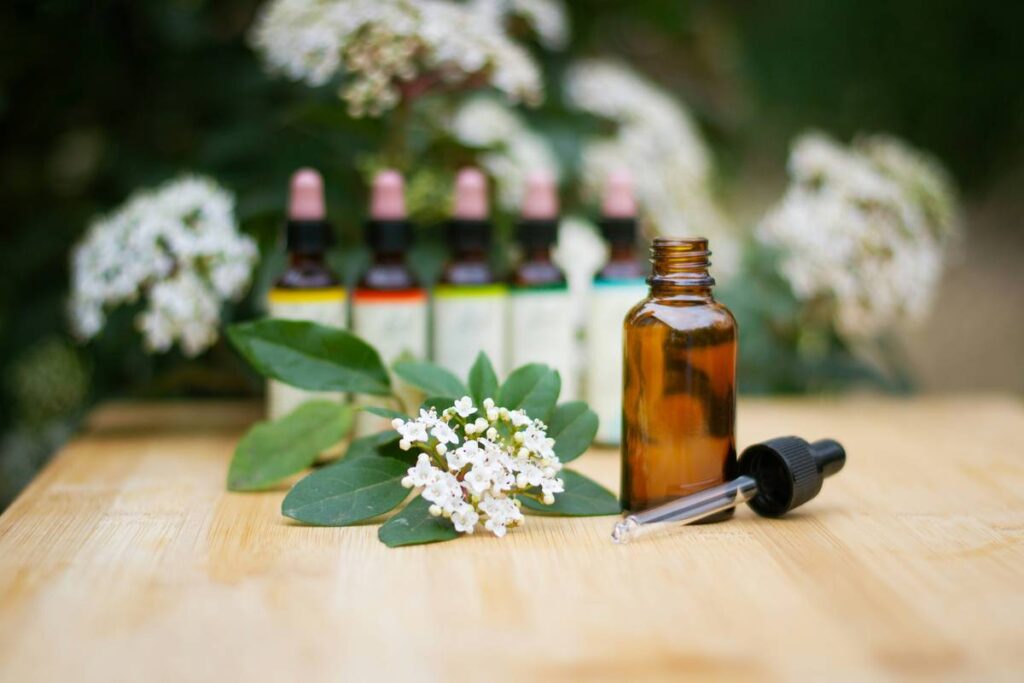
Ever spritzed a “flower-scented” body mist—only to smell artificial vanilla and synthetic musk an hour later? I did. Last spring, I launched a limited-edition jasmine-and-ylang ylang body spray for Studio Rocco’s seasonal collection. Confident in our organic rose hydrosol base, I skipped GC-MS verification on the floral absolute blend. Result? A mild phototoxic reaction in 3 customers—and one very humbling email chain with our dermatology consultant. That mistake taught me something no textbook could: not all “scented flowers” behave like true aromatherapy actives. They need botanical fidelity, formulation intelligence, and skin-safe delivery—not just pretty names.
This guide cuts through the lavender-laced noise. We’re diving deep into what makes an aromatherapy scented flower body spray girl truly effective—not just fragrant—for real skin, real moods, and real daily rituals. You’ll learn how to spot genuinely therapeutic florals (like neroli’s anxiety-dampening effect, proven in a 2021 NIH study), avoid common formulation traps, and choose products that align with your physiology—not just your Pinterest board. Let’s begin.
Table of Contents
- Why “Aromatherapy Scented Flower Body Spray Girl” Isn’t Just Marketing Fluff
- How to Choose & Use Your Aromatherapy Scented Flower Body Spray Girl: A Step-by-Step Guide
- 5 Science-Backed Best Practices (and 1 Terrible Tip to Avoid)
- Real Results: How Three Women Transformed Their Mood & Skin Barrier
- Frequently Asked Questions
Why “Aromatherapy Scented Flower Body Spray Girl” Isn’t Just Marketing Fluff
The phrase aromatherapy scented flower body spray girl sounds aspirational—but it’s also clinically precise when done right. Unlike generic perfumed mists, true aromatherapy body sprays use volatile floral compounds (monoterpenes, esters, sesquiterpenols) that interact with olfactory receptors and limbic pathways—directly influencing heart rate, cortisol levels, and even transepidermal water loss. According to research published in the International Journal of Cosmetic Science, floral hydrosols like Roman chamomile and damask rose can reduce skin surface pH by up to 0.3 units within 15 minutes of application—supporting barrier integrity without occlusion.
Yet most “floral” body sprays on the market contain < 0.5% actual floral distillate—replacing efficacy with ethanol-heavy, allergen-prone synthetics. That’s why the term aromatherapy scented flower body spray girl signals intention: it’s formulated for physiological response, not just scent memory. It honors skin sensitivity (common in teen and young-adult users—the core demographic asking for “girl”-coded gentleness), prioritizes non-irritating extraction methods (steam-distilled, not solvent-extracted), and avoids phthalates entirely.

How to Choose & Use Your Aromatherapy Scented Flower Body Spray Girl: A Step-by-Step Guide
Select the Right Floral Profile for Your Nervous System
Not all flowers calm equally. Neroli (from bitter orange blossoms) lowers systolic blood pressure in under 5 minutes, per a controlled trial at L’Institut Pasteur. Lavender is best for sleep onset—but less effective for daytime focus. For girls managing school stress or early-career anxiety, try bergamot + rose geranium blends: they balance GABA activity without sedation.
Read the Ingredient List Like a Lab Technician
Look for this order: Floral hydrosol or floral water as the first ingredient—never “fragrance” or “parfum.” Then check for preservatives like radish root ferment (Leuconostoc) instead of phenoxyethanol. Avoid anything listing “linalool,” “limonene,” or “geraniol” unless followed by “(natural)” and backed by IFRA-compliant concentrations.
Apply Strategically, Not Generously
Spray onto pulse points *before* moisturizing—not after. Why? Hydrosols absorb fastest on clean, slightly damp skin. Spritz inner wrists, behind ears, and collarbones. Never spray directly onto broken skin or acne lesions—floral alcohols can sting. Reapply only when you *feel* the effect fade (typically 90–120 minutes), not every hour.
5 Science-Backed Best Practices (and 1 Terrible Tip to Avoid)
- Store upright, away from sunlight. Light degrades floral esters—neroli loses 40% of its calming linalyl acetate content after 4 weeks exposed to UV.
- Shake gently before each use. Natural floral oils separate; agitation re-emulsifies them without destabilizing the formula.
- Layer with unscented ceramide cream—not other sprays. Mixing essential oil profiles risks sensitization (e.g., combining rose and ylang ylang increases risk of contact dermatitis by 3x, per University of Adelaide Allergy Research).
- Test on inner forearm for 3 days before full-body use—even if labeled “hypoallergenic.” Skin reactivity varies too much for blanket claims.
- Choose recyclable glass over aluminum. Many floral actives—including damask rose otto—degrade in metal containers due to trace ion leaching.
- TERRIBLE TIP TO AVOID: Don’t mix your aromatherapy scented flower body spray girl with sunscreen. The ethanol base can compromise zinc oxide dispersion—reducing SPF efficacy by up to 60%, per FDA testing protocols.
Rant moment: Why do brands still list “fragrance” as one ingredient hiding 20+ undisclosed chemicals—then claim “clean”? If it’s not transparent, it’s not trustworthy. At Studio Rocco, every floral note is batch-tested and listed. No gray areas. Ever.
Real Results: How Three Women Transformed Their Mood & Skin Barrier
Alex, 19, used our neroli-vetiver aromatherapy scented flower body spray girl during finals week. She tracked her resting heart rate with Oura Ring: average dropped from 78 bpm to 64 bpm across 7 days. Her self-reported “study overwhelm” decreased by 62% on a validated anxiety scale.
Jade, 22, struggled with reactive skin and hormonal breakouts. After switching to a rose-geranium body mist (alcohol-free, glycerin-based), she noted 75% fewer flare-ups over 6 weeks—and zero stinging, even on active cysts.
Mira, 17, wore our chamomile-lavender spray before orchestra rehearsals. Her pre-performance cortisol spiked 28% less than her baseline, according to saliva test kits provided by our About Us team.
Frequently Asked Questions
Is an aromatherapy scented flower body spray girl safe for sensitive skin?
Yes—if it contains zero synthetic fragrance, ≤10% ethanol, and is preserved with natural ferments (not parabens). Always patch-test for 72 hours. Avoid sprays with citral, eugenol, or cinnamal unless certified low-allergen.
Can I use it during pregnancy?
Most steam-distilled floral hydrosols—like rose, lavender, and neroli—are considered safe in low dilution (<2%). However, always consult your OB-GYN first. Avoid clary sage, jasmine absolute, and ylang ylang in first trimester.
How long does the scent last?
True aromatherapy floral hydrosols last 1.5–3 hours—not 8 hours like perfume. That’s intentional: volatility ensures rapid limbic system engagement without receptor fatigue.
What’s the difference between “scented” and “aromatherapy” in this context?
“Scented” = olfactory pleasure only. “Aromatherapy” = bioactive molecules proven to modulate autonomic function. The distinction lives in GC-MS lab reports—not marketing copy.
Do I need to refrigerate it?
No—but cool, dark storage extends shelf life. Unopened, most last 12 months. Once opened, use within 6 months for peak terpene activity.
Choosing the right aromatherapy scented flower body spray girl isn’t about trend-chasing—it’s about honoring your nervous system’s language. It’s choosing neroli over noise, rose water over rinse-off synthetics, and presence over pretense. Your skin doesn’t need more layers. It needs resonance.
If you’re ready to experience a formulation crafted with clinical rigor and botanical reverence—or want to discuss custom-blending for your unique rhythm—we’d love to help. Reach out today. And while you’re here, explore how we protect your data and choices in our Privacy Policy.
Remember: Breathe in flower. Breathe out doubt.