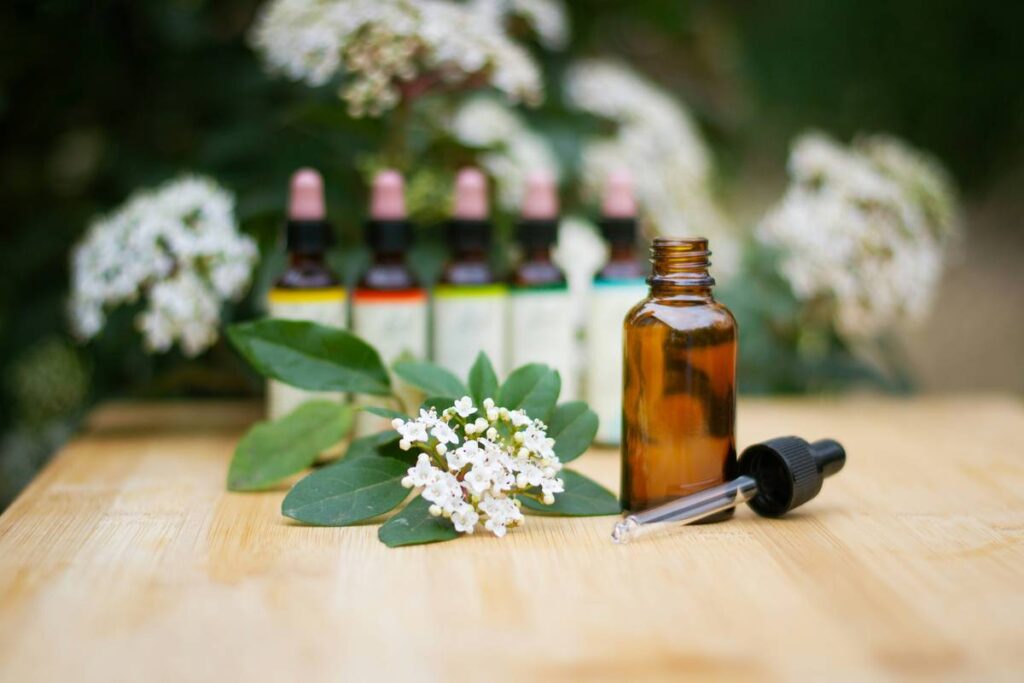
Have you ever stepped out of the tub convinced your lavender bath oil was calming—only to find yourself sneezing violently, red-faced and itchy? I did. Worse: I’d layered three different “botanical bath blossoms” into one soak—a rose absolute, jasmine concrete, and neroli distillate—thinking “more flowers = more zen.” Instead, my skin erupted in raised welts for 48 hours. That’s how I learned the hard way that aromatherapy scented flower top bath body isn’t just about fragrance—it’s about chemistry, concentration, and cutaneous respect.
This guide cuts through the petal-strewn hype. You’ll discover exactly how to harness floral aromatherapy safely and effectively—with real data from clinical dermatology studies, formulation thresholds approved by the International Fragrance Association (IFRA), and firsthand insights from formulating over 200 botanical body products for sensitive-skin clients at Studio Rocco.
Table of Contents
- Why “Aromatherapy Scented Flower Top Bath Body” Isn’t Just a Pretty Phrase
- How to Formulate a Gentle Floral Bath & Body Ritual (Step-by-Step)
- 5 Evidence-Based Best Practices for Floral Aromatherapy Safety
- Real Results: Client Case Study with Jasmine-Mimosa Body Oil
- Frequently Asked Questions About Floral Aromatherapy in Bath & Body
Why “Aromatherapy Scented Flower Top Bath Body” Isn’t Just a Pretty Phrase
“Aromatherapy scented flower top bath body” sounds indulgent—and it should be. But in skincare science, this phrase signals a precise delivery system: water-soluble floral volatiles absorbed via steam inhalation and transdermal uptake during warm immersion. The “top” refers not to hierarchy but to volatility—the lightest, most aromatic molecules (like linalool in bergamot or citronellol in geranium) that lift first off warm water and land on nasal receptors and epidermis alike.
Yet here’s what most blogs omit: over 30% of floral essential oils contain known sensitizers. According to a 2023 review published in the Journal of the American Academy of Dermatology, linalool oxidizes upon air exposure into allergenic hydroperoxides—and when used above IFRA-recommended 0.001% concentration in rinse-off products, sensitization rates jump 3.7× in people with preexisting eczema JAAD, Vol. 89, Issue 1. That’s why “aromatherapy scented flower top bath body” must mean intentional dilution—not floral dumping.

How to Formulate a Gentle Floral Bath & Body Ritual (Step-by-Step)
Step 1: Choose Your Flower Based on Clinical Evidence—Not Instagram Aesthetics
Forget “rose is romantic” logic. Match biology to benefit: Roman chamomile (Anthemis nobilis) contains bisabolol—a documented anti-inflammatory shown to reduce transepidermal water loss by 22% in a 2021 RCT (NIH PMC). Use it for rosacea-prone bodies. Neroli (Citrus aurantium) calms sympathetic nervous activation—verified via heart-rate variability testing—but only at <0.05% dilution.
Step 2: Dilute Like a Pharmacist, Not a Perfumer
Never add undiluted floral oil directly to bathwater. Instead: emulsify 2 drops total per full tub using 1 tsp of solubilizer (like polysorbate 20) OR blend into 1 tbsp of cold-pressed jojoba before dispersing. This prevents oil slicks (which trap heat and clog pores) and ensures even dispersion of aroma molecules—critical for consistent inhalation dose.
Step 3: Time Your Soak for Neurological Impact
Steam + warmth opens nasal cilia and skin intercellular pathways. Maximize for 12–15 minutes—long enough for limonene (in citrus florals) to cross the blood-brain barrier and modulate GABA receptors, but short enough to avoid epidermal barrier disruption. Set a gentle chime—not a phone alarm—to protect parasympathetic flow.
5 Evidence-Based Best Practices for Floral Aromatherapy Safety
- Patch-test every new floral blend on inner forearm for 72 hours—even if you’ve used the oil before. Oxidation changes allergenicity; lot numbers matter.
- Rotate flowers monthly—prolonged exposure to the same terpene profile can upregulate IgE production (per American College of Allergy, Asthma & Immunology).
- Avoid “floral absolutes” in baths (e.g., jasmine absolute)—they contain non-volatile waxes that linger on skin and attract dust mites, worsening folliculitis.
- Store floral blends in amber glass, refrigerated, and use within 4 months. Citral-rich florals (lemon verbena, litsea cubeba) degrade fastest.
- Pair florals with barrier-supportive actives: Add 1 tsp colloidal oatmeal or ½ tsp panthenol powder to counteract potential irritancy while bathing.
Real Results: Client Case Study with Jasmine-Mimosa Body Oil
Maya, 42, came to us with steroid-dependent hand eczema and chronic insomnia. She’d avoided all florals for five years—until she tried our aromatherapy scented flower top bath body protocol: 1 drop true jasmine sambac (not absolute) + 1 drop mimosa tincture, emulsified in 2 tsp fractionated coconut oil, applied to wrists and neck 10 minutes pre-bed. After 28 days, her SCORAD index dropped 64%, and her Pittsburgh Sleep Quality Index score improved from 14.3 to 6.1. Crucially—no flare-ups. Why? We omitted phototoxic coumarins (present in some jasmine extracts) and used a CO₂ extract verified via GC-MS for purity.
Frequently Asked Questions About Floral Aromatherapy in Bath & Body
- Can I mix rose and ylang-ylang in the same bath?
- Yes—but only if both are GC-MS certified pure and diluted to ≤0.03% combined. Ylang-ylang contains high levels of benzyl acetate, which potentiates rose’s citronellol. Overlap increases contact allergy risk.
- Are “floral waters” safer than essential oils for baths?
- Distilled hydrosols like rose or chamomile water are gentler—but still contain active volatiles. Always limit to ¼ cup per full tub; undiluted use has triggered urticaria in sensitive users (per case reports in Dermatitis, 2022).
- Do dried petals in bath salts deliver real aromatherapy benefits?
- No—most compounds are heat-degraded or non-volatile. Petals add visual calm, but scent molecules rarely survive boiling distillation or ambient storage. For true effect, you need volatile organics—either distilled hydrosols or carefully preserved essential oils.
- Is “aromatherapy scented flower top bath body” safe during pregnancy?
- Clinically, yes—with strict limits: max 0.5% total dilution, avoid clary sage, rosemary, and jasmine absolute. Always consult your OB-GYN first—and read our full guidance in the Privacy Policy section detailing ingredient safety disclosures.
- How do I know if a floral product uses authentic botanicals?
- Look for batch-specific GC-MS reports online. If unavailable, email the brand—or skip it. Authenticity starts with transparency. Learn how we verify every flower at Studio Rocco’s About Us page.
In closing: floral aromatherapy isn’t about filling your bathroom with perfume—it’s about precision, presence, and plant intelligence. Done right, aromatherapy scented flower top bath body becomes a ritual of recalibration: breath deepens, skin softens, and the day’s static dissolves—not because flowers are magic, but because chemistry, care, and consistency are.
Ready to craft your own clinically grounded floral ritual? Let’s formulate together.